2026 Best New Machinery Innovations to Watch For?
As we look towards 2026, the landscape of "Maquinarias Nuevas" continues to evolve rapidly. Innovations in machinery are crucial for industries around the globe. Juan Pérez, a leading expert in the field, once stated, "The future of machinery lies in smart technology and sustainable practices." This insight hints at the transformative potential of new machinery.
In recent years, we have witnessed a surge of advancements. Machines are becoming more efficient and environmentally friendly. For instance, robotic automation is enhancing productivity while reducing costs. Such innovations are vital for companies aiming for sustainable growth.
However, challenges remain. The integration of new technologies requires significant investment and training. Many businesses struggle to keep pace with these changes. We must reflect on the balance between adopting new innovations and managing operational realities. The journey with "Maquinarias Nuevas" is filled with both promise and obstacles.
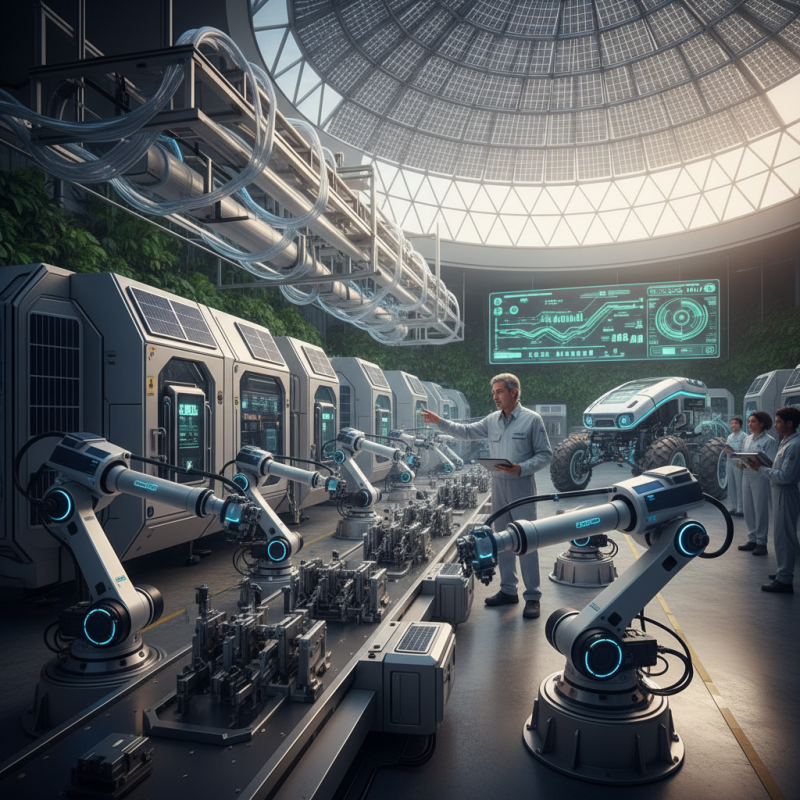
Emerging Trends in Machinery Innovations for 2026
The machinery sector is poised for transformative changes in 2026. Many emerging trends highlight a shift towards automation and sustainability. These innovations could redefine operations in various industries. Advanced robotics will feature heavily. Machines that adapt and learn from their environment are on the horizon. They promise to enhance productivity while reducing human error.
Another trend is the emphasis on energy efficiency. New designs focus on minimizing energy consumption. This shift is not merely a sustainability initiative; it's also economically prudent. Companies are pressed to reduce costs while meeting environmental standards. The integration of sensors will play a crucial role in this. Real-time data collection will drive smarter decision-making, yet not all firms will adapt quickly. Some may face challenges in implementing these technologies.
Moreover, user interface improvements will emerge. Operators will benefit from more intuitive controls. However, some might struggle to embrace these changes. Training will be essential but not always accessible. The pace of change might overwhelm smaller firms. Keeping up with rapid advancements could be a daunting task. As we look forward to 2026, the journey will be just as critical as the destination.
Key Technologies Driving the Future of Machinery
The machinery sector is set for a revolution, powered by key technologies that spark innovation. Automation continues to be a dominant force, driving efficiency and precision in production. As factories adapt, we see increased reliance on robotics. These machines can learn and adapt, ensuring they meet changing demands on the fly. This transition, however, raises questions about job displacement and the need for worker retraining.
Another promising area is connectivity through the Internet of Things (IoT). Machinery connected to the cloud can send real-time data for better decision-making. This leads to quicker responses and better resource management. Yet, as we connect more devices, cybersecurity concerns grow. Protecting sensitive data while promoting innovation is a challenge that requires attention.
Sustainable practices are also at the forefront of future machinery. Energy-efficient designs and recyclable components are becoming standard expectations. Machines are now reducing waste and using renewable energy sources. However, achieving sustainability at scale remains difficult. Finding the right balance between cost and environmental impact is an ongoing dilemma for developers.
Sustainable Solutions: Eco-Friendly Machinery Innovations
In 2026, eco-friendly machinery innovations are set to redefine industries. Companies are prioritizing sustainable solutions. This shift helps reduce the carbon footprint. New designs focus on energy efficiency and waste reduction. Manufacturers are working to integrate renewable materials. These innovations not only protect the environment but also meet consumer demand for sustainability.
For businesses, incorporating these technologies can be beneficial. Look for machinery with lower energy consumption. Analyze how these tools impact your operations. Eco-friendly machines often lead to long-term cost savings. They may have higher upfront costs, but their efficiency pays off.
Choosing the right solution requires careful consideration. Not all eco-friendly claims are equal. Research and verify the claims before making a purchase. Understanding actual benefits helps in making informed decisions. With every advancement, reflection is key. Are these innovations truly sustainable? Keeping these thoughts in mind is essential for growth and responsibility.
2026 Best New Machinery Innovations to Watch For
Sustainable Solutions: Eco-Friendly Machinery Innovations
Automation and AI: The Next Generation of Machinery Design
The landscape of machinery design is rapidly evolving. Automation and AI are driving innovations that enhance efficiency and productivity. According to a report by McKinsey, companies that adopt AI can increase productivity by up to 40%. This transformation is not just about replacing human labor. It's about augmenting capabilities and making operations smoother and smarter.
AI-powered machinery can analyze data in real-time. This allows for quicker decision-making and problem-solving on the assembly line. For instance, predictive maintenance can reduce machinery downtime by
50%. Yet, we must reflect on the challenges that come with these advancements. Integration of AI may require significant investment and staff training.
Tips for embracing these innovations include starting small.
Pilot projects can demonstrate value without overwhelming the team. Engage employees in training sessions to foster familiarity with new technologies. The goal is to create a culture that embraces change. Remember, with great technological advancements come great responsibilities.
Impact of Innovative Machinery on Industry Efficiency and Productivity
Innovations in machinery are set to reshape industries. New devices improve efficiency and productivity in notable ways. For instance, automated systems can handle repetitive tasks. This allows workers to focus on more complex responsibilities. The outcome is often a happier workforce and increased output.
However, not every innovation meets expectations. Some machines may require adjustments before achieving peak performance. Transitioning to new technology can be challenging. Employees may need training to adapt. Outdated processes may hinder initial productivity gains. A careful assessment is critical to ensure a smooth transition.
Moreover, the impact on energy consumption is significant. Newer machinery often consumes less power. This can lead to cost savings and reduced environmental impact. Yet, the long-term effects of these innovations still need monitoring. Are companies prepared for potential disruptions during the adaptation phase? Reflecting on these challenges can lead to better implementation strategies.
