What is the Best Mold Solution for Your Home?
Mold growth is a pressing issue in many homes, affecting both health and the structural integrity of properties. According to recent industry reports, approximately 30% of homes in the U.S. have some level of mold contamination. This statistic raises concerns among homeowners.
Experts emphasize the importance of effective mold solutions. Dr. Emily Hart, a noted expert in indoor air quality, states, “Choosing the right mold solution can make a significant difference in health and safety.” Her insight highlights the diverse range of solutions available, from chemical formulations to natural remedies.
When selecting a mold solution, homeowners often face challenges. The type of mold, the affected area, and the underlying cause of moisture play critical roles. Without careful consideration, one might choose an ineffective method. As a result, problems can persist, leading to costly repairs and health risks. Understanding the nuances of mold solutions is essential for effective remediation.
Understanding Mold: Types and Health Risks in the Home
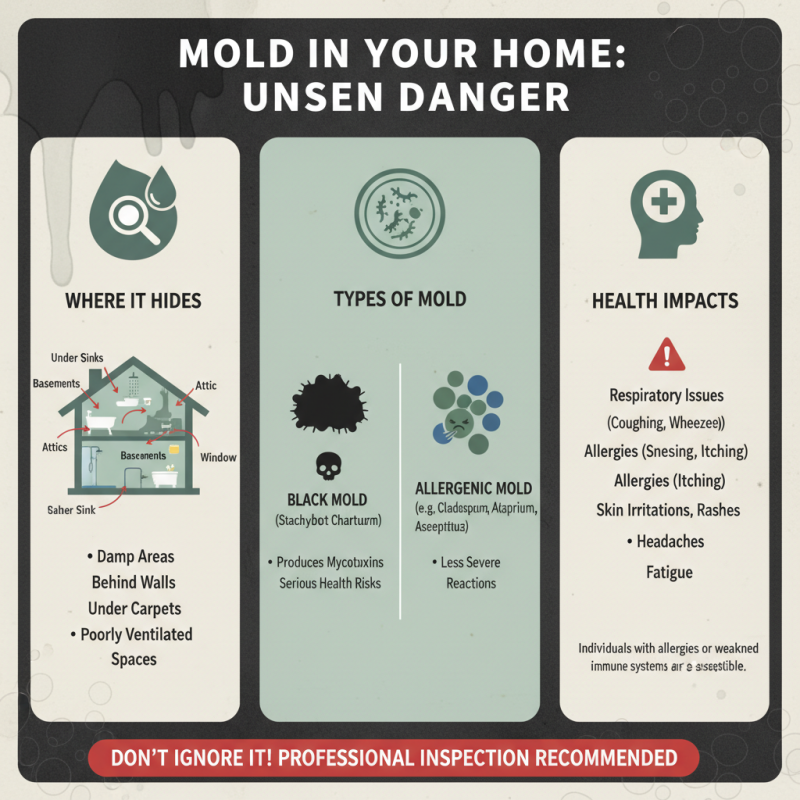
Mold can thrive in damp areas of our homes. It often goes unnoticed until it becomes a bigger problem. There are various types of mold, including black mold and allergenic mold. Each type can pose different health risks. People with allergies may experience more severe reactions. Others might suffer from respiratory issues or skin irritations.
The presence of mold often indicates moisture problems. Check for leaks under sinks or around windows. Areas that lack proper ventilation can also host mold. It's crucial to address these conditions. Ignoring mold growth can lead to long-term health impacts. Instead of just cleaning the visible mold, it’s important to identify the source.
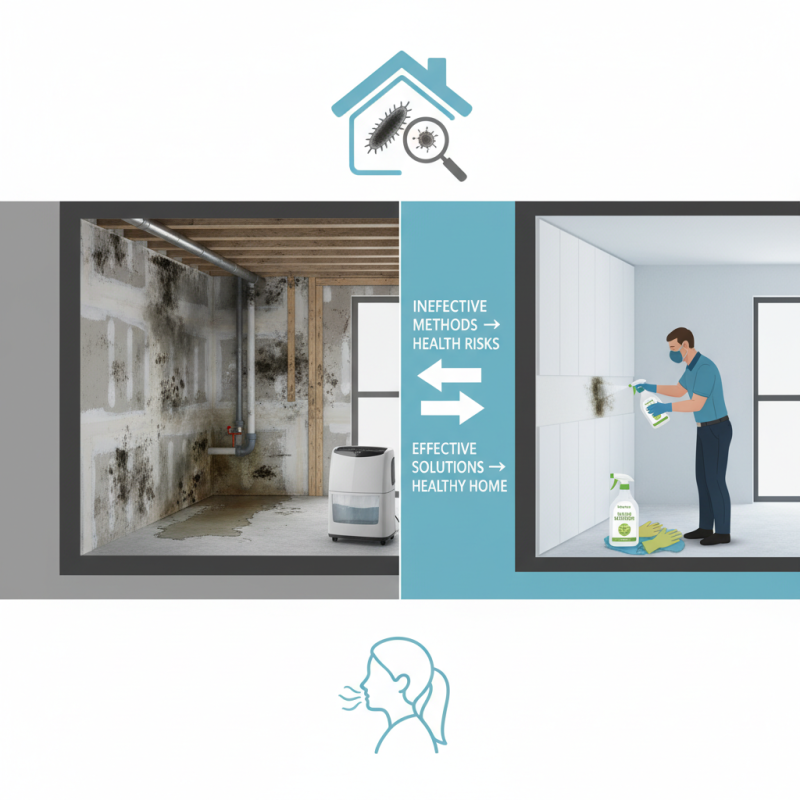
Some homeowners might underestimate the risks they face. It’s easy to overlook small patches of mold. Reducing humidity levels can help prevent mold growth. Using a dehumidifier is one practical solution. It’s a constant battle, and awareness is key. Regular checks in basements and bathrooms can save you from bigger issues later.
Identifying Mold: Signs of Infestation and Affected Areas
Mold can thrive in damp environments, often hidden from view. Identifying mold early is crucial. Pay attention to musty odors; they often signal mold presence. Look for water stains on walls or ceilings. These are signs of moisture accumulation, a perfect breeding ground for mold. Be aware of discoloration in surfaces. Yellow, green, or black spots may appear in areas like basements or bathrooms.
Don't forget about your health. Symptoms like sneezing, coughing, or itchy eyes may suggest mold exposure. If you notice these issues, investigate your home for mold sources. Inspect around windows, plumbing fixtures, and areas with poor ventilation. Remember that mold can grow behind walls, so be alert. Missing these signs can lead to bigger problems down the road.
Taking proactive measures is vital. Regularly check your home for leaks or humidity issues. Utilize a dehumidifier in prone areas. These small steps could prevent significant infestations later. Sometimes, despite our best efforts, mold can still appear. Reflect on your current home maintenance practices. Are they sufficient? Asking these questions can help in mold prevention and ensure a healthier living space.
Mold Removal Solutions: Comparing DIY Methods vs. Professional Services
Mold can be a serious problem in any home. Many people wonder whether to tackle mold removal themselves or hire professionals. DIY methods often appeal to homeowners looking to save money. However, these approaches may lack effectiveness. Basic cleaning solutions can eliminate surface mold but often do not address the root cause.
One key DIY method involves using a mixture of vinegar and baking soda. This combination can help with small patches. Scrubbing with a brush can assist in thorough removal. Yet, this method may not work for larger infestations. Mold often hides beneath surfaces or in walls. Ignoring deeper growth can lead to bigger issues later.
Professional services generally provide more thorough solutions. They have specialized tools and knowledge to handle serious mold problems. Technicians can identify moisture sources and prevent future growth. This proactive approach saves time and money in the long run. Relying solely on DIY methods might seem enticing but can lead to recurring mold issues.
When considering which route to take, it is essential to assess the situation realistically. Small patches could be manageable. Larger infestations may require professional input. Regular home maintenance can help keep mold at bay. Address leaks promptly and ensure good ventilation. Stay vigilant, because mold can return if not properly managed.
What is the Best Mold Solution for Your Home? - Mold Removal Solutions: Comparing DIY Methods vs. Professional Services
| Method |
Effectiveness |
Cost |
Time Required |
Safety |
| DIY Cleaning Solutions |
Moderate |
Low ($10 - $50) |
1-2 hours |
Generally Safe |
| Professional Mold Remediation |
High |
High ($500 - $3000) |
1-7 days |
Highly Safe |
| Natural Remedies (e.g., Vinegar, Baking Soda) |
Moderate |
Very Low ($5 - $20) |
30 minutes |
Very Safe |
| Chemical Mold Killers |
High |
Moderate ($15 - $100) |
1-3 hours |
Caution Required |
Prevention Strategies: Keeping Your Home Mold-Free
Mold can be a persistent issue in homes, impacting both health and property. According to the Environmental Protection Agency (EPA), mold thrives in damp, warm environments. It can grow on various surfaces, including wood, drywall, and carpet. Effective prevention strategies are essential for maintaining a mold-free home.
One key strategy involves controlling indoor humidity levels. Ideally, humidity should remain below 60%. Installing dehumidifiers can help achieve this. Regularly checking and repairing leaks in plumbing and roofs is crucial. Even minor leaks can lead to significant mold growth. The CDC emphasizes that fixing leaks promptly can save homeowners from costly remediation efforts later.
Ventilation is another vital element. Ensuring good airflow in bathrooms and kitchens reduces moisture buildup. Exhaust fans can be particularly effective. Homeowners often overlook these areas, creating hidden mold hazards. They should regularly inspect for signs of mold, including musty odors. Awareness and proactive measures can significantly reduce the risk of mold proliferation in homes.
Essential Maintenance Tips: Ensuring Long-Term Mold Control
Mold is a common problem in many homes. It thrives in damp, warm areas. Regular maintenance can prevent extensive mold growth. A few essential tips can help you keep your home mold-free.
Check for leaks frequently. A small leak can lead to big problems. Inspect pipes, roofs, and windows regularly. Fix any issues immediately. Ensure proper ventilation in kitchens and bathrooms. Use exhaust fans to reduce moisture.
Clean and dry any damp areas. Mold loves to grow in forgotten corners. Use a mixture of vinegar and baking soda as a natural cleaner. Be mindful that not all areas are easy to reach. Dust buildup can contribute to mold. Ensure you clean these spaces routinely.