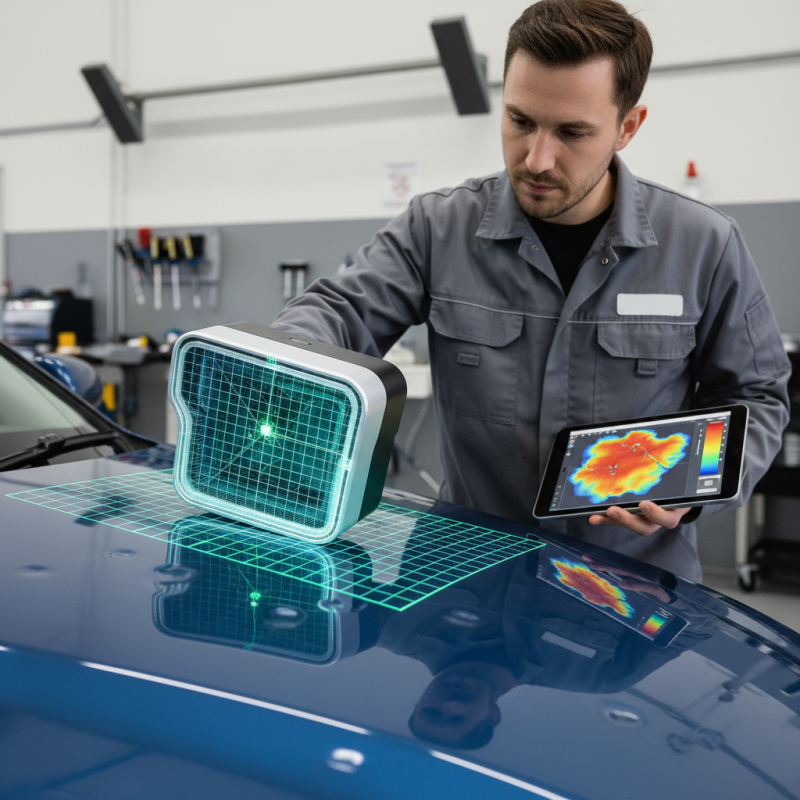
Best Vehicle Hail Damage Scanning System for Accurate Repairs?
When it comes to vehicle repairs, precision is crucial, particularly for hail damage. A Vehicle Hail Damage Scanning System offers advanced technology for pinpointing dents. These systems utilize laser and ultrasound technology to assess damage accurately. The findings can help technicians strategize repairs effectively.
However, not all scanning systems are created equally. Some may lack the necessary resolution to detect lighter hail impacts. Professionals must consider the data reliability from each system. Investing in a robust Vehicle Hail Damage Scanning System can make a significant difference in repair times and customer satisfaction.
While technology aids in assessment, human expertise is vital. Technicians need training to interpret data accurately. They should understand both the system's capabilities and its limitations. Continuous learning and adaptation are essential in this evolving field.
Overview of Vehicle Hail Damage and Its Impact on Repairs
Hail damage can significantly impact the integrity of a vehicle. Dents caused by hail can vary in size and depth, making repairs challenging. Even small dents can compromise paint and metal integrity. In many cases, this damage may not be immediately apparent, creating complications for vehicle owners.
Accurate assessments of hail damage are crucial for effective repairs. Using advanced scanning systems can help detect even the smallest effects. These systems provide detailed data about the damage. However, their accuracy heavily relies on operator expertise. Without experienced professionals, the results can be misleading. Misdiagnosed damage can lead to improper repairs, resulting in costly mistakes.
Proper repair of hail damage is essential to maintain vehicle value. Ignoring unseen damage may lower resale value significantly. Furthermore, repairs that don't address hidden issues could lead to more problems over time. Vehicle owners should seek thorough inspections from trained technicians. This ensures that all damage is identified and repaired accurately. Regularly updated equipment and trained professionals can improve repair outcomes. Balancing technology and human judgment is vital in this field.
Importance of Accurate Damage Assessment in Vehicle Repair Processes
Accurate damage assessment is crucial for effective vehicle repair processes. Accurate evaluations help identify all impacts from hail damage, ensuring repairs are comprehensive. Misjudging the extent of damage can lead to inadequate repairs, which could cause further complications later. A detailed inspection process is necessary to prevent overlooking hidden issues.
Employing advanced scanning systems enhances the accuracy of damage assessments. These systems can detect subtle changes in the vehicle's structure, leading to better identifying areas needing repair. Technicians trained in using these systems can provide more reliable evaluations. Investing in the right technology can ultimately save time and costs associated with rework.
Tips: Always encourage technicians to continue their training. This ensures they stay updated on new scanning technologies. Regular calibration of scanning tools is also essential to maintain precision. Finally, implement a systematic review process for damage assessments. This can catch errors early and improve overall repair quality.
Features to Look for in Hail Damage Scanning Systems
When selecting the best vehicle hail damage scanning system, certain features are essential for accurate assessments. One primary feature to consider is the resolution of the scanning system. High-resolution images can reveal details that may otherwise be missed in lower-quality scans. According to a recent industry report, systems with at least 12 megapixels provide clearer insights, making it easier for technicians to detect subtle hail damage.
Another critical feature is the software integration of the scanning system. Effective software not only captures the data but also analyzes it. Systems that include AI-driven analytics can enhance accuracy and speed up the assessment process. A survey indicated that 75% of repair shops reported improved efficiency when using advanced software capabilities in their scanning tools.
Durability matters too. A scanning system that withstands varying environmental conditions is crucial. Professionals need equipment that performs well under unpredictable weather. While some systems are robust, others may struggle and fail, leading to costly mistakes. Responsiveness in the field is vital; if a system lags, it can delay important decisions for repairs. Ultimately, thorough research and a clear understanding of what truly matters in hail damage scanning can lead to better repair outcomes.
Best Vehicle Hail Damage Scanning System Features
Top Scanning Technologies for Detecting Hail Damage
Hail damage can be challenging to detect accurately. Scanning technologies play a critical role in identifying this type of damage in vehicles. Using advanced sensors and imaging, these systems uncover issues that the naked eye cannot see. They help repair shops assess damage efficiently, allowing for precise repairs.
Laser scanning is one of the top technologies available. It creates a detailed 3D map of the vehicle’s surface. Specialized software analyzes the data, revealing even minor dents and dings caused by hail. This method is quick and provides reliable results, but it can be costly. Some businesses may hesitate to invest without guaranteed ROI.
Another promising technology is ultrasound scanning. This method uses sound waves to measure surface integrity. It is less expensive but may miss certain subtle impacts. However, ultrasound remains a viable option for shops with a tighter budget. It’s essential to weigh these benefits against their limitations, as both methods can play a vital role in accurate hail damage assessment.
Best Vehicle Hail Damage Scanning System for Accurate Repairs
| Scanning Technology | Detection Accuracy | Speed of Scanning | User-Friendly Interface | Price Range |
| Laser Scanning | 95% | 15 minutes | Very Easy | $5,000 - $10,000 |
| 3D Imaging | 93% | 20 minutes | Moderate | $7,000 - $12,000 |
| Ultrasonic Scanning | 90% | 10 minutes | Easy | $3,500 - $8,000 |
| Infrared Scanning | 92% | 25 minutes | Hard | $4,000 - $9,500 |
| Automated Scanning | 94% | 18 minutes | Very Easy | $6,000 - $11,000 |
Comparative Analysis of Leading Hail Damage Scanning Systems
When it comes to assessing hail damage on vehicles, choosing the right scanning system is crucial. Many systems on the market vary in technology and accuracy. Conducting a comparative analysis helps identify the strengths and weaknesses of each. Key factors include measurement precision, ease of use, and integration with existing repair processes.
One notable observation is that some systems may provide misleading readings. Users often depend solely on these results, which can lead to improper repairs. Therefore, understanding the technology behind each system is vital. Are the scanners using infrared, ultrasonic, or laser technology? Each method has unique characteristics and potential drawbacks.
Tips:
1. Always cross-check scan results with a manual inspection.
2. Invest time in training for your staff. Knowledgeable users can better interpret data.
3. Regularly update the system’s software to reduce errors and enhance accuracy.
Awareness of these factors can significantly improve decision-making. Shoddy repairs not only impact vehicle value but also customer trust. Enthusiastic users may promote a system, but realistic evaluations are essential for reliable outcomes. The choice of a scanning system should be made with critical assessment and careful consideration.