Best Custom Metal Stampings for Global Sourcing Needs?
In the realm of manufacturing, "Custom Metal Stampings" play a pivotal role in meeting diverse global sourcing needs. Renowned expert in metal fabrication, Mark Roberts, once stated, "Precision and adaptability are key to thriving in today's marketplace." This insight underscores the importance of tailored solutions in an ever-evolving industry.
The demand for Custom Metal Stampings is growing. Industries need reliable components that cater to specific designs. Each project presents unique challenges, pushing manufacturers to innovate. However, not all providers meet quality expectations. It’s essential to weigh experience and technology in selecting a partner. This ensures that the stamping processes are both efficient and precise.
Additionally, sourcing from the right supplier can be complex. Factors such as cost, lead times, and production capabilities come into play. Striking a balance among these elements is crucial. Companies must be vigilant. They should aim for transparency in communication and processes. This fosters trust and enhances the likelihood of project success in the competitive landscape of Custom Metal Stampings.
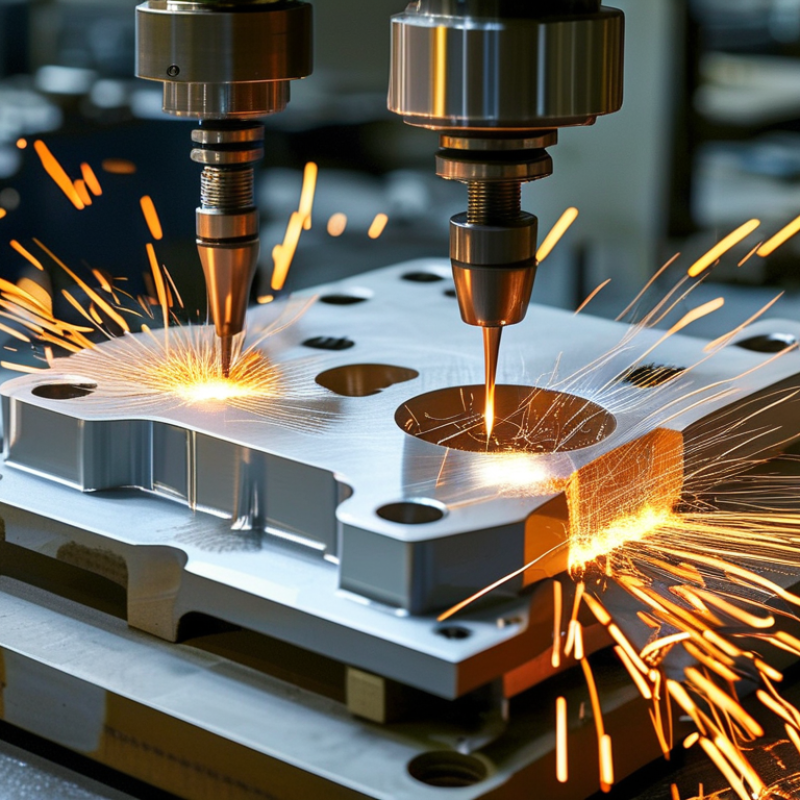
Understanding Custom Metal Stampings in Global Manufacturing
Custom metal stampings play a crucial role in global manufacturing. These components are vital in various industries, from automotive to aerospace. Understanding the nuances of custom metal stampings helps manufacturers meet diverse sourcing needs. Each stamp must meet specific requirements, creating challenges in design and execution.
Experience in metal stamping allows for better quality control. Manufacturers must balance cost, quality, and lead times. Sourcing from different regions can impact the supply chain. This complexity requires a clear strategy. Adaptability is essential as market demands shift. Engaging with reliable partners can strengthen the process.
Reflection on past projects indicates potential pitfalls. Overlooking material specifications can lead to delays. Inconsistent production quality from suppliers may affect the final product. Continuous improvement is needed. Emphasizing collaboration can foster innovation and ensure high standards are met. There is always room for growth in understanding global sourcing nuances.
Key Advantages of Custom Metal Stampings for Sourcing Needs
Custom metal stampings offer significant advantages for companies seeking efficient global sourcing solutions. These components are tailored to meet specific requirements, enhancing the manufacturing process. Customization allows for precise specifications, ensuring that the products fit seamlessly into existing systems. This flexibility leads to enhanced efficiency and reduced waste during production.
When sourcing custom metal stampings, consider the material types used. High-quality materials like stainless steel or aluminum contribute to durability. The right material choice can elevate product performance and longevity. Understanding the various options can make a real difference in your project outcomes.
Communication is vital when working with suppliers. Clear discussions about design intentions and quantity needs help to mitigate potential misunderstandings. It’s also beneficial to ask for samples before confirming orders. Samples provide a tangible idea of quality, allowing for adjustments before large-scale production begins. Thoughtful preparation can save time and resources.
Factors to Consider When Choosing a Metal Stamping Supplier
Selecting the right metal stamping supplier is crucial for your global sourcing strategy. Various factors must be taken into account. Experience and expertise should be your top priorities. A supplier with years in the industry often has the knowledge to navigate complex projects. They should be well-versed in different materials and manufacturing processes. This expertise often translates into better quality and efficiency in production.
Quality control is another vital aspect. Look for suppliers who implement stringent quality assurance measures. They should have reliable inspection procedures. This could include using advanced technology or third-party audits. Understanding their approach can enhance your confidence in their capabilities.
Communication is key throughout the process. A supplier who provides clear, timely updates fosters a reliable partnership. Delays and misunderstandings can arise if communication is lacking. Therefore, assess how easily you can reach out to them. Check their responsiveness during initial discussions. These interactions can signal how they operate in critical scenarios. The right supplier will not only deliver but also give peace of mind in a complex global market.
Comparative Analysis of Global Markets for Metal Stampings
The global market for custom metal stampings is evolving rapidly. According to a recent report, the market is projected to reach $30 billion by 2025. This growth is driven by the automotive, aerospace, and electronics industries. These sectors require high-quality, precise components that custom metal stampings provide. Asia-Pacific currently dominates the market, accounting for over 40% of the share. Countries like China and India are leading producers, leveraging their extensive manufacturing capabilities.
However, challenges remain. Quality control and supply chain disruptions affect many manufacturers. A survey indicated that 56% of companies faced sourcing issues in the past year. This situation prompts businesses to reconsider their sourcing strategies. The need for resilience and flexibility is crucial in today's market. As companies explore global sourcing options, collaborating with local suppliers may enhance reliability.
Innovation in materials and technologies is also essential. New manufacturing processes, such as additive manufacturing, could revolutionize how metal stampings are produced. Yet, transitioning to these methods requires investment and expertise. Industry experts suggest that companies focus on training and development to keep pace with these changes. The future of custom metal stampings hinges on adaptability and informed sourcing decisions.
Innovations in Custom Metal Stamping Technology and Trends
Innovations in custom metal stamping are transforming manufacturing processes. Advanced materials and techniques are enhancing precision and efficiency. New technologies enable the production of more complex designs, pushing the boundaries of what is possible. Laser cutting, for instance, allows for intricate patterns and shapes that were once difficult to achieve. This leads to increased customization, meeting diverse global needs.
Collaboration between engineers and designers is crucial in this evolving landscape. They must communicate effectively to ensure that practical and aesthetic requirements are met. There can be challenges in balancing speed and quality. Some manufacturers struggle to keep up with rapid technological changes. Continuous training is essential to equip staff with the necessary skills.
Environmental considerations are also becoming more prominent. Eco-friendly materials and processes are now in demand. Companies face pressure to reduce waste and improve sustainability. This shift requires innovation and creativity, leading some to rethink their entire approach to production. Investing in sustainable practices can be both a challenge and an opportunity to stand out in a competitive market.
