Best Bench Top Milling Machine for Your Workshop Needs?
Choosing the right Bench Top Milling Machine can significantly enhance your workshop experience. These machines are compact yet powerful, making them suitable for various tasks. Whether you are a hobbyist or a professional, the right milling machine meets your needs.
Consider the features that matter most to you. Horsepower, size, and versatility are crucial. A high horsepower machine can handle tougher materials. Meanwhile, size impacts the type of projects you can undertake. Not every Bench Top Milling Machine excels in all areas. Many users find a trade-off between power and precision.
Investing in a quality milling machine can boost your productivity. Look for recommendations, but remember, every user's experience varies. A machine that works well for one person may not meet your expectations. Be ready to experiment and adjust to find what truly benefits your projects. Ultimately, the right choice helps create a more efficient and enjoyable workshop environment.
Understanding Bench Top Milling Machines: An Overview
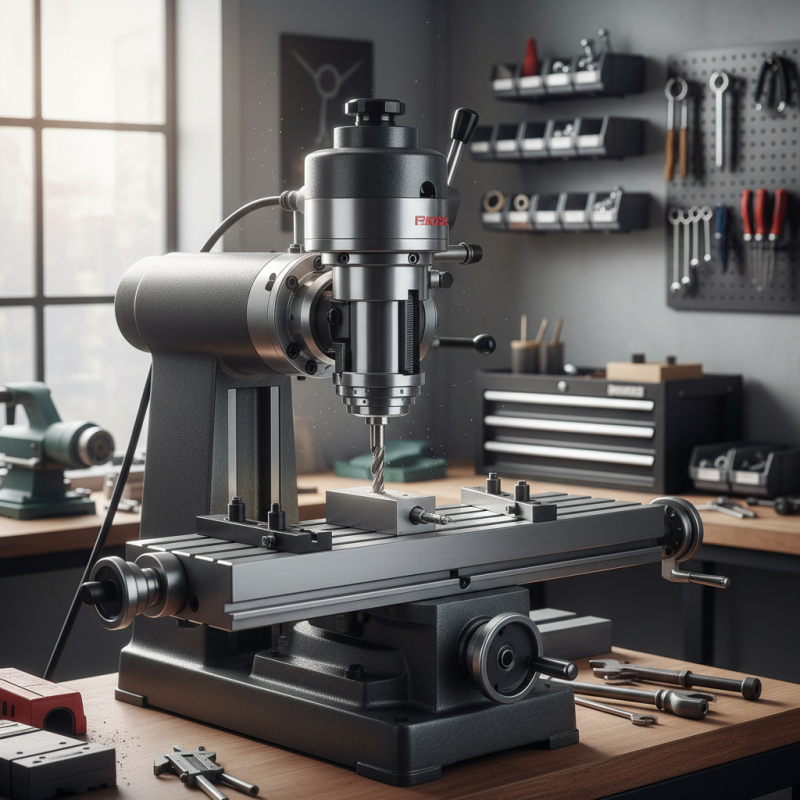
Bench top milling machines are essential for many workshops. They provide precision and versatility. These machines are compact and can fit in limited spaces. They are perfect for hobbyists and small businesses alike. When selecting a machine, consider the materials you plan to work with. Some mills handle metal, while others are better for wood or plastics.
In using a bench top milling machine, proper setup is key. Ensure it is level and stable. Lack of stability can lead to inaccuracies. Regular maintenance is also crucial. Dust and debris can accumulate and affect performance. It's wise to clean the machine frequently. Lubricate the moving parts regularly to ensure smooth operation.
Tip: Always wear safety gear while operating. This includes goggles and gloves. Pay attention to your workspace. Keep it organized to avoid accidents. Remember, practice makes perfect. Don't be discouraged by initial mistakes. Each project is a chance to learn more.
Best Bench Top Milling Machines by Category
This chart illustrates the number of options available for different categories of bench top milling machines. It provides insight into the variety available for hobbyists and professionals alike, helping you make an informed decision based on your workshop needs.
Key Features to Consider When Choosing a Milling Machine
When choosing the best bench top milling machine, several key features are essential. Look for a machine with a solid construction. A sturdy frame reduces vibrations and improves accuracy. Pay attention to the motor power as well. A stronger motor allows for smoother operation and can handle tougher materials.
Another critical feature is the milling capacity. Some machines have limited travel distances, which may restrict your projects. Consider the types of materials you’ll work with and ensure the machine can accommodate them. Additionally, examine the tool changing system. A simple system saves time and enhances productivity.
Don't overlook the importance of ease of use. Complex controls can lead to frustration. If a machine feels cumbersome, it may not be the best choice for your workshop. Think about the availability of spare parts and customer support too. Machines with readily available support can save you from lengthy downtimes. Reflect on these aspects before making your decision.
Top Brands and Models of Bench Top Milling Machines
When it comes to selecting a bench top milling machine, various brands and models can make a difference in your workshop. Each machine often offers unique features tailored to specific tasks. Weight, size, and power should be considered when choosing the right one. Compact designs are great for small spaces but may lack the durability of larger models.
Some models include digital readouts which enhance precision. Others might excel in manual capabilities, offering a more hands-on experience. Notice that not all machines boast excellent customer reviews. Some may struggle with inconsistency in performance or build quality. Thus, it's essential to focus on user feedback. Reading through forums or reviews can help identify common issues.
Consider the materials you typically work with. Machines vary in robustness, which can affect their reliability over time. Reflecting on your own project needs can provide clarity. Functionality often weighs heavily on the design; a machine that feels intuitive will likely yield better results. Be cautious of overly complex features that may lead to confusion rather than efficiency.
Comparing Bench Top Milling Machines for Value and Performance
When choosing a bench top milling machine, value and performance are crucial. Consider the following factors. First, evaluate the machine’s motor power. A robust motor provides stability and efficiency. This is vital for precision machining. You’ll notice the difference in quality.
Also, the machine's weight matters. A heavier unit tends to be more stable during milling. Stability reduces vibrations which improve results. Choose the right size for your workshop. Too large? It may not fit, or be hard to manage.
Tips: Always check the maximum cutting depth. A machine with adjustable settings allows for versatility. Look for user reviews that highlight real-world performance. Practical experiences can reveal strengths and weaknesses. Remember, each machine has its quirks. You might need adjustments after purchase. Don’t hesitate to test capabilities before settling on a choice.
Best Bench Top Milling Machine for Your Workshop Needs
| Model | Horsepower | Weight | Table Size | Price | User Rating |
| Model A | 1 HP | 150 lbs | 20" x 5" | $800 | 4.5/5 |
| Model B | 1.5 HP | 180 lbs | 24" x 6" | $950 | 4.7/5 |
| Model C | 2 HP | 200 lbs | 30" x 7" | $1,200 | 4.8/5 |
| Model D | 1 HP | 160 lbs | 22" x 5" | $850 | 4.3/5 |
Essential Accessories for Enhancing Your Milling Experience
When it comes to enhancing your milling experience, accessories play a vital role. A high-quality T-slot table can dramatically increase your workspace efficiency. According to industry research, workshops that utilize optimized setups see a 25% increase in productivity. This number reflects how a well-organized workspace can shift your focus from searching for tools to actual milling tasks.
Consider adding a digital readout (DRO) to your machine. This accessory provides precise measurements, reducing human error. Many users report that using a DRO improves accuracy by 15% compared to manual methods. It’s a small investment that pays off quickly in professional settings. Remember to frequently calibrate your DRO. Regular checks prevent inaccuracies from cumulative errors.
Another useful accessory is a high-quality cutting tool set. Different materials require different tools. Using the right tool can boost performance significantly. Reports indicate that mismatched tools can reduce lifespan by up to 30%. Experiment with various tools, and keep an inventory of what works best for your projects. Don’t forget to maintain your tools regularly. Dull blades can spoil even the best setups.
