Top 10 Benefits of Valve DC Gear Motors in Automation?
In the realm of automation, the Valve DC Gear Motor is becoming increasingly essential. According to a recent report by Research and Markets, the global electric motor market is expected to reach $132 billion by 2026. One factor driving this growth is the rising demand for efficient and reliable gear motors in various applications.
Valve DC Gear Motors offer unique advantages. They provide high torque while maintaining compact size. This efficiency makes them ideal for robotic systems and industrial applications. The versatility of these motors enhances their appeal. A shift towards automation in manufacturing industries underscores their significance.
However, not all applications utilize Valve DC Gear Motors effectively. Many businesses sometimes overlook their performance capabilities. Understanding their benefits can lead to optimized processes and reduced downtime. The industry must recognize the potential of these motors for future advancements.
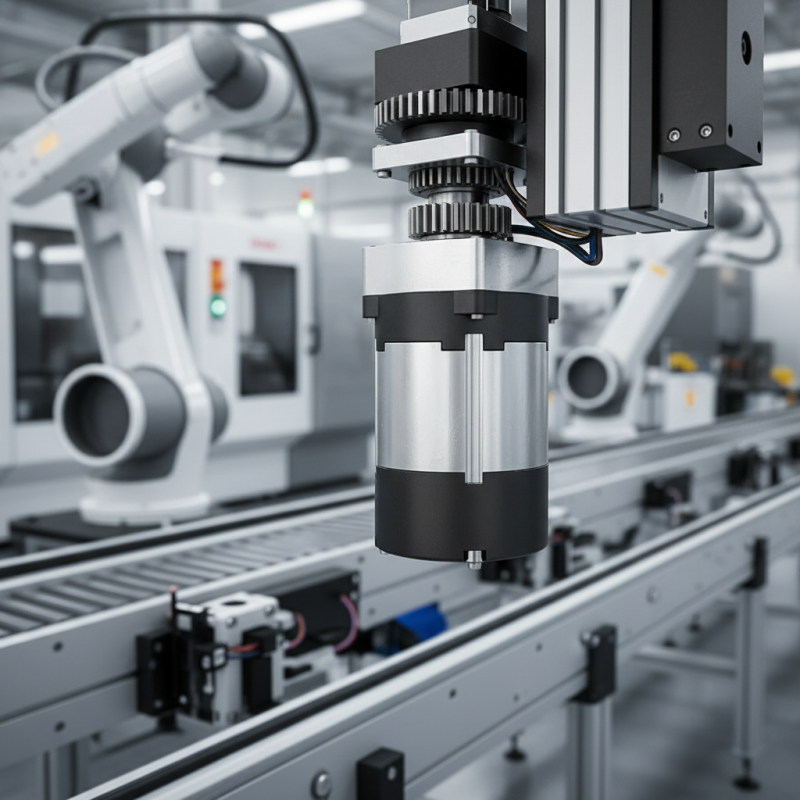
Key Features of Valve DC Gear Motors in Automated Systems
Valve DC gear motors are essential in many automated systems. They provide precision and control for various applications. A recent report by Market Research Future suggests that the demand for DC gear motors is expected to grow by 6.13% annually until 2027. This growth highlights the importance of reliability in automation.
One of the key features of valve DC gear motors is their compact design. This allows for easy integration into tight spaces. Their lightweight construction makes them ideal for portable devices. Additionally, they offer high torque at low speeds, which is crucial for applications requiring precise movement. However, not all systems can leverage these advantages equally. Some users report challenges with heat dissipation in high-load conditions.
Another important aspect is their energy efficiency. Many valve DC gear motors are designed to minimize power consumption. Studies indicate that efficient motors can reduce energy costs by up to 30%. This can lead to significant savings over time. Nevertheless, balancing efficiency with performance can be tricky. In some cases, users may notice degradation in responsiveness when prioritizing energy-saving modes.
Advantages of Using Valve DC Gear Motors in Industrial Applications
Valve DC gear motors are essential in various industrial applications. They provide precise control and reliable performance. The integration of these motors into automation systems enhances efficiency. Many sectors benefit from their capability to manage heavy loads. This quality helps in tasks requiring significant force, reducing strain on other components.
Moreover, valve DC gear motors operate quietly. This feature is crucial in environments where noise reduction is a priority. The compact design of these motors allows for seamless installation in tight spaces. However, users must consider the operating temperature range. Some motors may not function optimally under extreme conditions. Regular maintenance is necessary to ensure longevity, though it can sometimes be overlooked. The ease of integration can lead to complacency in maintenance protocols.
Energy efficiency is another major advantage. These motors typically consume less power compared to other options. This trait helps in reducing operational costs over time. Yet, users should regularly monitor energy consumption. Unexpected spikes can indicate underlying issues. Proper calibration ensures optimal performance. Automation benefits significantly from the use of valve DC gear motors, driving innovation and growth in multiple industries.
Enhanced Precision and Control with Valve DC Gear Motors
Valve DC gear motors offer enhanced precision and control in automation processes. With their ability to deliver consistent torque, they excel in applications requiring meticulous movement and positioning. The compact design of these motors allows for seamless integration into smaller systems. This is especially valuable in robotics and automated machinery, where space is limited.
The precision of valve DC gear motors also lends itself to fine-tuning functions. Users can adjust the speed and torque settings easily, facilitating a customized approach based on specific needs. However, attaining the perfect calibration can be challenging; even small adjustments can lead to significant changes in performance. This often requires rigorous testing.
Moreover, while these motors provide excellent control, their sensitivity can be a double-edged sword. If not managed properly, this precision can lead to errors. Regular maintenance is essential to prevent drift and ensure optimal operation. Engineers must find a balance between precision and reliability to maximize these motors' benefits.
Energy Efficiency and Cost Savings of Valve DC Gear Motors
Valve DC gear motors are gaining popularity in automation due to their energy efficiency and cost savings. These motors are compact and provide a high torque output, which enhances overall performance. In industrial settings, energy costs can be a significant portion of expenses. By using DC gear motors, companies can reduce power consumption, thereby lowering bills.
Tips: Look for motors with high efficiency ratings. This guarantees you save energy and money over time. Also, consider the specific torque requirements of your application before selecting a motor. Proper matching can prevent wasted energy.
Maintaining these motors is crucial. Regular checks can reveal potential issues before they become costly problems. However, many overlook routine maintenance. This oversight can lead to increased energy consumption and expensive repairs.
Tips: Schedule maintenance at regular intervals. Keeping motors clean and functional extends their lifespan. Don't ignore unusual sounds or vibrations, as they signal potential failures. Investing time in upkeep can lead to more significant savings.
Durability and Maintenance Benefits of Valve DC Gear Motors in Automation
Valve DC gear motors play a crucial role in automation systems, particularly regarding durability and maintenance. These motors are designed to withstand challenging conditions. According to industry reports, they can last up to 15,000 operational hours under optimal conditions. This longevity reduces the frequency of replacements, saving companies both time and resources.
Maintenance is another area where valve DC gear motors excel. With fewer moving parts compared to other systems, they often require less frequent servicing. This characteristic is particularly beneficial in environments where machinery must operate continuously. A study showed that effective maintenance reduces downtime by nearly 25%. However, regular checks are still necessary to prevent failures, especially in high-demand applications.
While the benefits are significant, challenges exist. Some installations might struggle with overheating if not monitored properly. It’s essential to install thermal sensors to track performance and avoid overheating issues. Over time, dust and debris can accumulate, potentially affecting performance. Thus, maintenance schedules should include cleaning as well. Identifying potential problems early can prevent major failures down the line.
Top 10 Benefits of Valve DC Gear Motors in Automation
