What are the Benefits of Thermoplastic Injection Molding?
Thermoplastic injection molding is a manufacturing process gaining immense popularity. Industry expert Dr. Emma Carver, a leading figure in polymer engineering, emphasizes, “Thermoplastic injection molding enables efficient production with minimal waste.” This highlights its advantages in today’s fast-paced market.
The benefits of thermoplastic injection molding are numerous. It offers high precision and repeatability in production. Additionally, this method allows for complex geometries that traditional processes struggle to achieve. The speed of production is another crucial advantage. Shorter cycle times can significantly enhance overall productivity.
Despite its benefits, challenges exist. The initial setup costs for molds can be substantial. Environmental concerns about plastic waste are also becoming prominent. Therefore, the industry must evolve. Embracing sustainable practices during the thermoplastic injection molding process is essential for long-term viability.
Overview of Thermoplastic Injection Molding
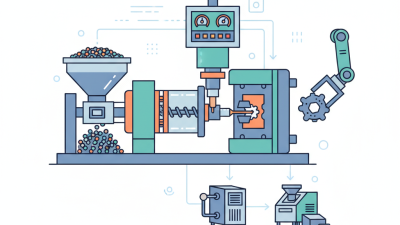
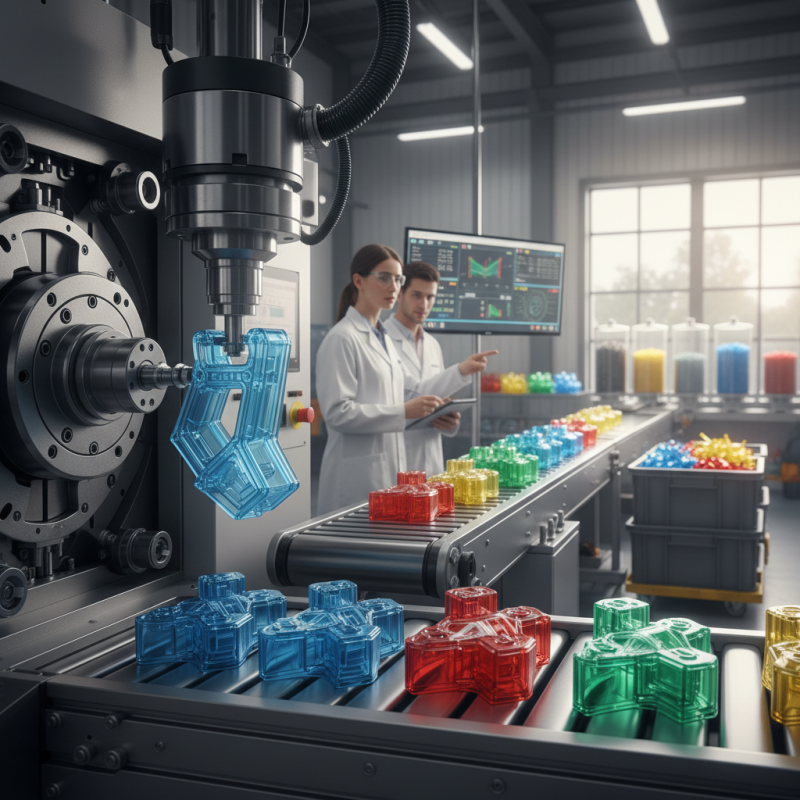
Thermoplastic injection molding is a widely used manufacturing process. It involves melting thermoplastic material and injecting it into a mold. This technique allows for high precision and repeatability. According to recent industry reports, the global thermoplastic injection molding market is expected to expand by more than 5% annually through 2025.
This process is favored for producing complex shapes. It is particularly efficient for high-volume production runs. The versatility of thermoplastics enables the creation of lightweight, durable products. However, challenges remain. Variations in temperature can impact the quality of the final product. Ensuring uniform melting is essential for consistency.
Moreover, while thermoplastic injection molding can yield cost-effective results, one must consider the initial setup costs. Molds can be expensive, particularly for intricate designs. Companies often face decision-making dilemmas regarding material selection and design complexity. The rewards can be significant, though the process demands careful planning and expertise.
Key Advantages of Thermoplastic Materials in Manufacturing
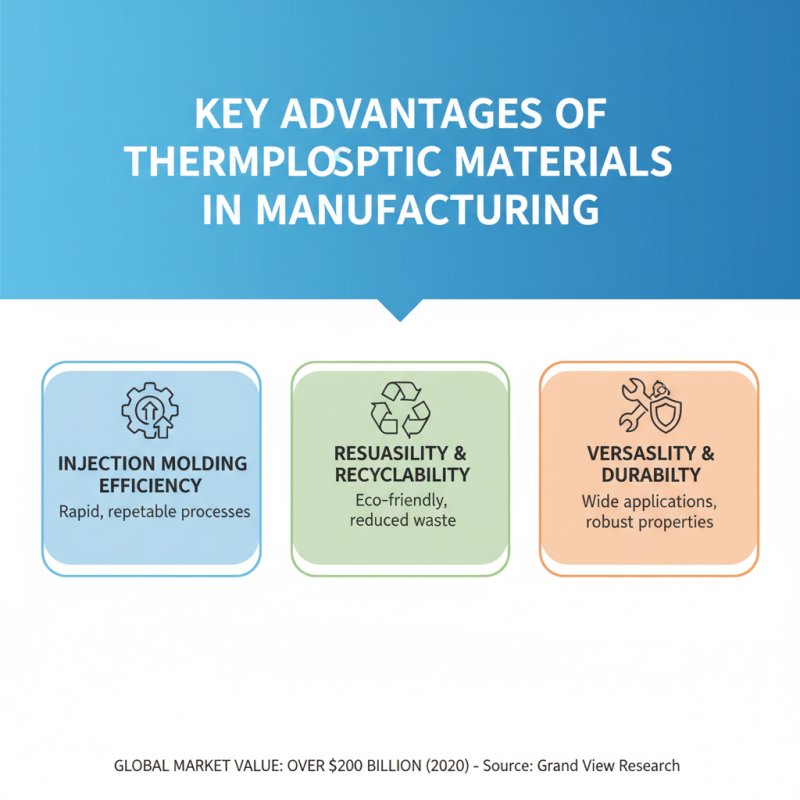
Thermoplastic materials offer significant advantages in manufacturing, particularly through injection molding processes. These materials are known for their versatility. According to a market report by Grand View Research, the global thermoplastics market was valued at over $200 billion in 2020. This figure highlights the growing acceptance and reliance on thermoplastics in various industries.
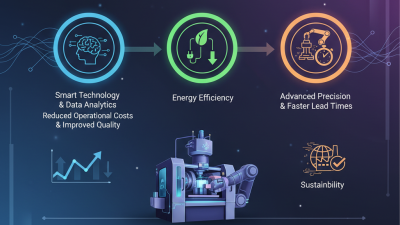
One key benefit is their ability to be molded and remolded multiple times, enhancing sustainability. Unlike thermosetting plastics, thermoplastics can undergo recycling without degradation. This feature reduces waste and promotes a circular economy. Additionally, the production of thermoplastic components leads to lower energy consumption during manufacturing. A study from the American Society of Mechanical Engineers noted that thermoplastic injection molding can be up to 50% more energy-efficient compared to traditional metal processing.
Moreover, thermoplastics exhibit excellent mechanical properties, including impact resistance and flexibility. This makes them suitable for various applications, from automotive components to consumer products. However, challenges remain, such as optimizing processing parameters for specific thermoplastic grades and ensuring consistent quality. Achieving the ideal balance between efficiency and product performance can require experimentation and refinement.
Cost Efficiency in Production Processes
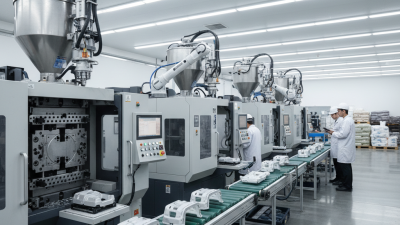
Thermoplastic injection molding offers significant cost efficiency in production. This process allows for a rapid cycle time, which translates to lower production costs. According to industry studies, companies can increase output by 200% compared to traditional molding methods. This enhanced efficiency directly impacts profitability, making it a preferred choice.
Material costs also play a crucial role. Thermoplastics tend to be less expensive than their thermosetting counterparts. Reports indicate that using thermoplastics can reduce material costs by up to 30%. This cost-effectiveness is particularly beneficial for high-volume production runs. Additionally, the ability to reuse and recycle thermoplastics contributes to their economic advantages, which appeals to today’s sustainability-minded manufacturers.
There are challenges as well. Initial setup costs for injection molding systems can be high. Companies may face hurdles in synchronization and process optimization. Despite these concerns, the long-term savings often outweigh the initial investments. As the industry evolves, continuous improvements in technology can mitigate these initial drawbacks. Companies are encouraged to analyze their specific needs carefully to maximize the benefits of thermoplastic injection molding.
Versatility and Design Flexibility in Product Applications
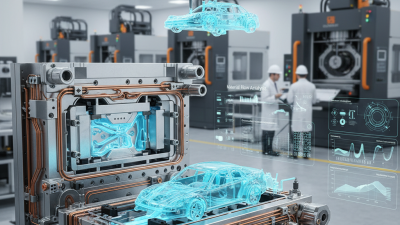
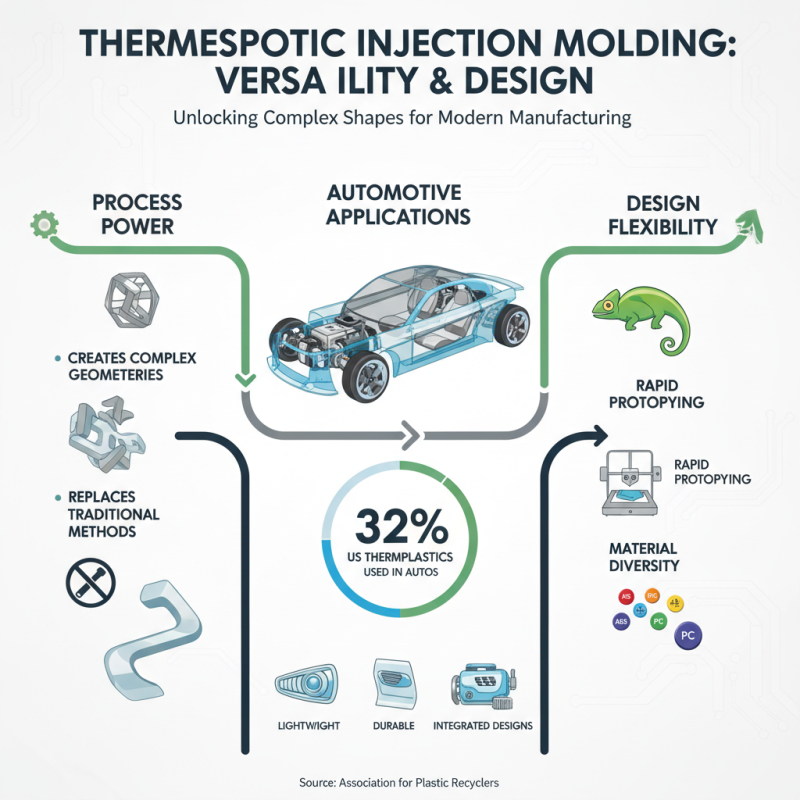
Thermoplastic injection molding is renowned for its versatility. This process can create complex shapes that were not possible with traditional manufacturing. For example, intricate designs in automotive parts benefit tremendously from injection molding. According to a report by the Association for Plastic Recyclers, about 32% of thermoplastics produced in the U.S. are used in automotive applications. This highlights the critical role of design flexibility in modern manufacturing.
The ability to use various plastics allows designers to tailor the properties of their products. This can range from lightweight designs to enhanced durability and chemical resistance. A study from the Plastic Industry Association noted that nearly 70% of product designers see thermoplastics as essential for innovation. However, challenges still exist. Mold design can become complex, and optimizing cycle times is essential for cost efficiency. Reflecting on these challenges can lead to research and development breakthroughs for improved production methods.
Thermoplastic materials enable rapid prototyping and easy modification. This is crucial in industries requiring quick iterations. Yet, miscalculating material properties can lead to failures in the final product. A proactive approach to testing and validation can mitigate these risks. Embracing the potential of thermoplastic injection molding opens avenues for creativity while highlighting the necessity of precision in design.
Environmental Impact and Sustainability of Thermoplastic Molding
Thermoplastic injection molding presents notable benefits for sustainability. The materials used in this process are often recyclable. This characteristic significantly reduces waste in landfills. Products can be remolded and reused, minimizing environmental impact.
In addition to recyclability, thermoplastics consume less energy compared to other materials. The molding process requires less heat. This energy efficiency translates into lower carbon emissions. However, it's crucial to recognize that not all thermoplastics are created equal. Some may still contribute to environmental issues if not disposed of properly.
There is a growing concern regarding the sourcing of raw materials. Many thermoplastics rely on petroleum-based resources. As industries push for greener alternatives, the shift to bio-based materials becomes important. Investing in sustainable options may pose challenges, but awareness is key. Balancing manufacturing needs with environmental considerations is essential for the future of thermoplastic molding.
Benefits of Thermoplastic Injection Molding