2026 Top Wafer Roll Machine Innovations and Trends?
As the demand for high-quality snacks grows, the Wafer Roll Machine industry is evolving rapidly. Innovations are leading the way, transforming traditional methods. John Smith, a leading expert in wafer technology, notes, "The future lies in smart automation for wafer production." His insight reflects the industry’s shift toward advanced technology.
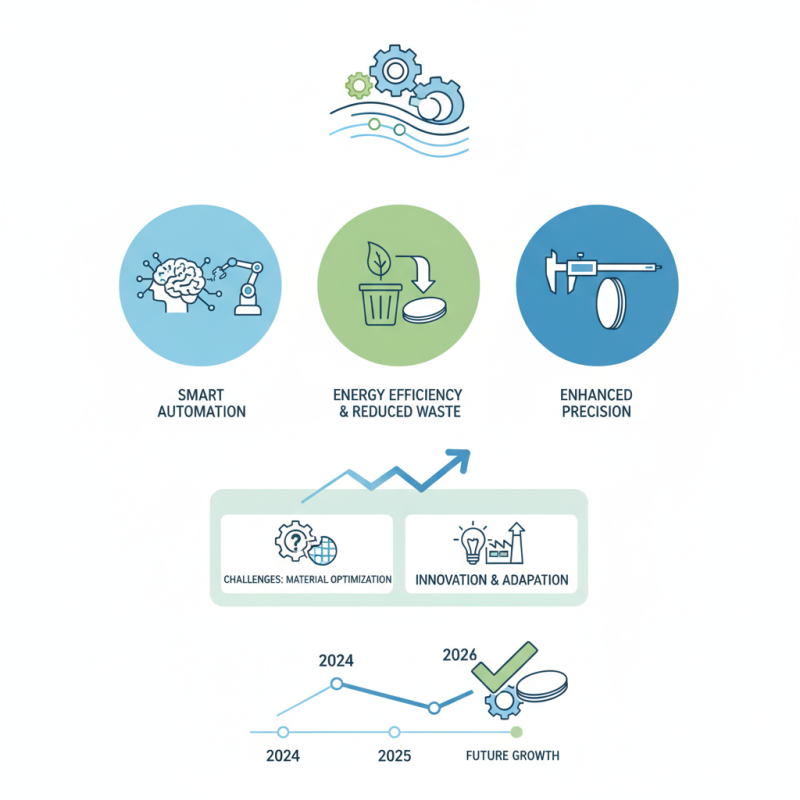
In 2026, we expect to see significant trends. Companies are focusing on energy efficiency and reduced waste. This movement aligns with global sustainability goals. Enhanced precision in wafer rolling is crucial. It ensures consistent quality while meeting diverse customer demands.
Challenges remain in the industry. Some machines are not yet optimized for new materials. This can lead to inefficiencies in production. It's essential for manufacturers to adapt and innovate continually. The Wafer Roll Machine sector must embrace these changes, or risk falling behind in a competitive market.
Emerging Technologies Driving Wafer Roll Machine Innovations in 2026
The future of wafer roll machines looks promising as technological advancements shape the industry landscape. Emerging technologies are at the heart of these innovations. For instance, automation continues to enhance efficiency. Machines equipped with AI can now monitor production in real-time. They adjust settings, optimizing output. However, challenges remain in integrating these technologies seamlessly.
Another area of innovation is in materials used for wafer rolls. New composites offer better durability and reduce waste during production. Sustainable sourcing is more important than ever. Companies are exploring eco-friendly options that reduce their environmental footprint. Yet, there are concerns about balancing cost and performance. Striking a perfect integration of sustainability and efficiency is crucial.
Moreover, data analytics plays a pivotal role in improving wafer roll machine performance. Insights from data can lead to predictive maintenance. This reduces downtime and enhances productivity. However, reliance on data can also lead to overconfidence. There must be a willingness to adapt and rethink strategies based on findings. Continuous reflection is necessary to navigate these emerging technologies effectively.
2026 Top Wafer Roll Machine Innovations and Trends
| Innovation/Trend | Description | Impact on Industry | Adoption Rate (%) |
| Smart Automation | Integration of AI and IoT for real-time monitoring and optimization. | Increases efficiency and reduces operational costs. | 75% |
| Eco-Friendly Materials | Use of biodegradable and sustainable materials in wafer production. | Enhances brand image and complies with regulatory standards. | 60% |
| Precision Engineering | Advancements in precision cutting and shaping technologies. | Improves product quality and consistency. | 68% |
| Enhanced Safety Features | Implementation of smart safety systems to protect operators. | Reduces workplace accidents and insurance costs. | 70% |
| Predictive Maintenance | Use of predictive analytics for machinery maintenance. | Minimizes downtime and reduces maintenance costs. | 65% |
Market Trends in the Wafer Roll Machine Industry: 2026 Forecast Data
In 2026, the wafer roll machine industry is poised for significant transformation. Increased automation stands out as a primary trend. More companies will deploy machines that reduce operational costs and enhance productivity. Integration with advanced technology is essential for efficiency. As artificial intelligence becomes widespread, data-driven insights will drive decision-making.
The demand for customization is growing. More clients want tailored solutions for their specific needs. This shift requires manufacturers to adopt flexible designs. It can be a challenge to maintain efficiency while meeting distinct customer requirements. Balancing these demands will be a vital focus for the industry.
Sustainability is another crucial element. Consumers and businesses alike seek eco-friendly solutions. Machines that minimize waste and energy use will gain favor. However, adapting existing equipment to these standards is not straightforward. It necessitates careful planning and investment. The path forward may need more exploration to ensure these innovations are practical and effective.
Sustainability Practices in Wafer Roll Machine Production and Design
Sustainability is crucial in wafer roll machine production. The industry is seeing a shift toward eco-friendly materials and processes. According to a recent report, around 70% of manufacturers are adopting sustainable practices. This reflects a growing awareness of environmental issues.
Many companies now utilize recycled materials in their designs. This can significantly reduce waste. For instance, using biodegradable components not only helps the environment but also meets consumer demand for greener products.
Tip: Consider evaluating your supply chain. Engage suppliers that prioritize sustainability.
Energy efficiency is another focus. Using advanced technologies can lower energy consumption. Some plants have achieved a 30% reduction in energy use. However, not all manufacturers prioritize this. There is still much room for improvement.
Tip: Invest in energy-efficient machinery. It pays off in the long run.
Challenges remain. Not every company can afford the transition. Cost barriers often limit the adoption of sustainable methods. Continuous innovation is necessary to bridge this gap. Companies must explore new technologies that are both efficient and eco-friendly.
Key Players and Competitive Landscape in the 2026 Wafer Roll Machine Market
The wafer roll machine market is evolving rapidly. Key players are rethinking their strategies to stay competitive. Companies are investing in R&D to enhance machine capabilities. Automation and precision are crucial trends. These innovations improve efficiency and reduce waste.
Leading firms focus on user-friendly designs. Intuitive interfaces facilitate operator training and machine operation. Many companies are promoting sustainability. Eco-friendly materials are now a priority. However, some still struggle with the transition.
The competitive landscape is dynamic. New entrants challenge established firms. Startups introduce unique features, capturing market attention. Traditional companies must innovate to retain market share. Adaptability is essential for long-term success. This fosters a continuously changing environment, ensuring future innovations.
Consumer Preferences Shaping the Future of Wafer Roll Machines in 2026
In 2026, consumer preferences will play a pivotal role in shaping the design and functionality of wafer roll machines. Today, consumers crave versatility. They want machines that can produce various flavors and textures. Waffle rolls will likely range from sweet to savory. Customization options could become a key feature for manufacturers. Personal preferences are evolving, and consumers may opt for gluten-free or vegan options.
Another trend may revolve around ease of use and cleanliness. Intuitive controls and easy maintenance will attract home bakers and professionals alike. Machines that minimize mess will be favored. However, innovation should not compromise quality. Consumers are likely to demand machines that deliver consistent results without fail.
Although innovative features are essential, challenges remain. Some consumers want cheaper options. Balancing quality and affordability is difficult. Additionally, not all users will adapt to advanced technology. There’s a risk of alienating a segment of the market. Understanding these nuances will be crucial for manufacturers to meet diverse consumer needs.
