2026 Top Trends in Machine Injection Technology for the Future?
As the landscape of manufacturing evolves, the spotlight is increasingly on machine injection technology. Experts like Dr. Emily Chen, a leading figure in the field, emphasize its transformative power. She states, "Machine injection technology is revolutionizing production processes in ways we have yet to fully comprehend."
This cutting-edge method offers precision and efficiency that traditional techniques struggle to match. With applications ranging from automotive to medical device production, the implications are vast. Companies equipped with advanced machine injection capabilities can respond rapidly to market demands, drastically reducing lead times.
However, despite its potential, the industry faces challenges. The rapid pace of technological advancement can leave some companies behind. Investing heavily in new machinery without a clear strategy may lead to unnecessary waste. The future of machine injection hinges not just on innovation but also on thoughtful integration into existing systems. As we approach 2026, the need for careful reflection on best practices becomes critical.
Emerging Innovations in Machine Injection Technology for 2026
In 2026, machine injection technology is set to undergo remarkable transformations. Emerging innovations are reshaping the industry, driven by advancements in materials and processes. Industry sources indicate that the market for injection molding is projected to grow by 4.5% annually, reaching over $300 billion by 2026. This growth reflects a rising demand for precision-engineered components across various sectors.
One notable trend is the integration of artificial intelligence in injection machines. AI algorithms can optimize cycle times and material usage, enhancing efficiency. According to a recent report, manufacturers utilizing AI can improve productivity by 20% or more. This shift not only boosts output but also reduces waste, showcasing a more sustainable approach to production.
Another innovation is the development of biodegradable polymers. With environmental concerns at the forefront, many companies are seeking sustainable alternatives. Reports suggest that the demand for eco-friendly materials could increase by 30% by 2026. While challenges remain, such as the need for reliable performance in diverse applications, the industry is committed to exploring these solutions. However, the transition to sustainable materials is not without its hurdles, making careful consideration necessary.
Key Industry Players Shaping the Future of Machine Injection
Machine injection technology is rapidly evolving, driven by key industry players that significantly influence its future. These companies are pushing the boundaries of innovation, enhancing efficiency and precision in production processes. Advanced machines are now capable of producing complex designs with minimal waste. This shift minimizes environmental impact while maximizing productivity.
Experts warn that not all advancements are foolproof. Some innovations come with challenges, such as high setup costs and skill gaps in the workforce. Adapting to this technology requires not just investment but also training and education. Industry leaders are encouraged to focus on workforce development to harness the full potential of these advancements.
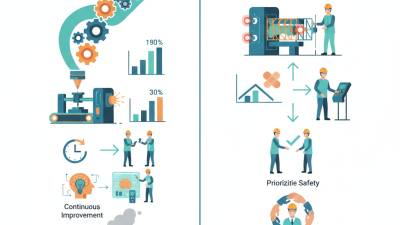
Moreover, collaboration among companies is crucial. Sharing knowledge and best practices can help address common obstacles. Industry consortia are forming to tackle these issues, enhancing collective expertise and fostering a culture of continuous improvement. Balancing innovation with practical implementation remains a key focus for shaping the future of machine injection technology.
2026 Top Trends in Machine Injection Technology
| Trend |
Description |
Impact on Industry |
Key Areas of Application |
| Automation Integration |
Increased integration of automation technologies in machine injection processes. |
Improved efficiency and reduced production costs. |
Manufacturing, Packaging, Automotive |
| Sustainable Materials |
Development of bio-based and recyclable materials for injection processes. |
Reduced environmental impact and enhanced product lifecycle. |
Consumer Goods, Automotive, Electronics |
| Smart Injection Molding |
Use of IoT sensors and AI to optimize molding processes. |
Enhanced quality control and predictive maintenance. |
Medical Devices, Aerospace, Automotive |
| 3D Printing Integration |
Combining 3D printing with traditional injection molding techniques. |
Faster prototyping and customized production. |
Aerospace, Healthcare, Consumer Products |
| Advanced Process Simulation |
Utilization of advanced software to simulate injection processes. |
Reduced errors and improved design iterations. |
Industrial Design, Automotive, Electronics |
Sustainability Trends in Machine Injection Technology
Sustainability is becoming crucial in machine injection technology. With growing environmental concerns, the industry is shifting toward greener practices. A recent report from the Sustainable Packaging Coalition indicates that 70% of consumers prefer brands using sustainable materials. This trend is influencing manufacturers to integrate eco-friendly processes.
Implementing bioplastics in injection molding is one significant advancement. These materials reduce dependency on fossil fuels. In fact, studies suggest that bioplastics can yield up to a 75% reduction in carbon emissions compared to traditional plastics. However, the transition isn't without challenges. Sourcing sustainable materials can be difficult, and not all bioplastics perform equally.
Tips: Consider using recycled materials in your designs. Explore alternative sourcing for sustainable options. Collaboration with suppliers can enhance sustainability efforts in production. Balancing cost and sustainability is essential; sometimes, choices may not be straightforward. As the industry evolves, the need for innovation remains a priority, and all stakeholders must adapt to these changes.
2026 Top Trends in Machine Injection Technology for the Future
As the industry moves towards sustainability, the following trends are expected to shape the future of machine injection technology. The chart below illustrates the percentage of focus on various sustainability trends over the years.
Integration of AI and Automation in Injection Processes
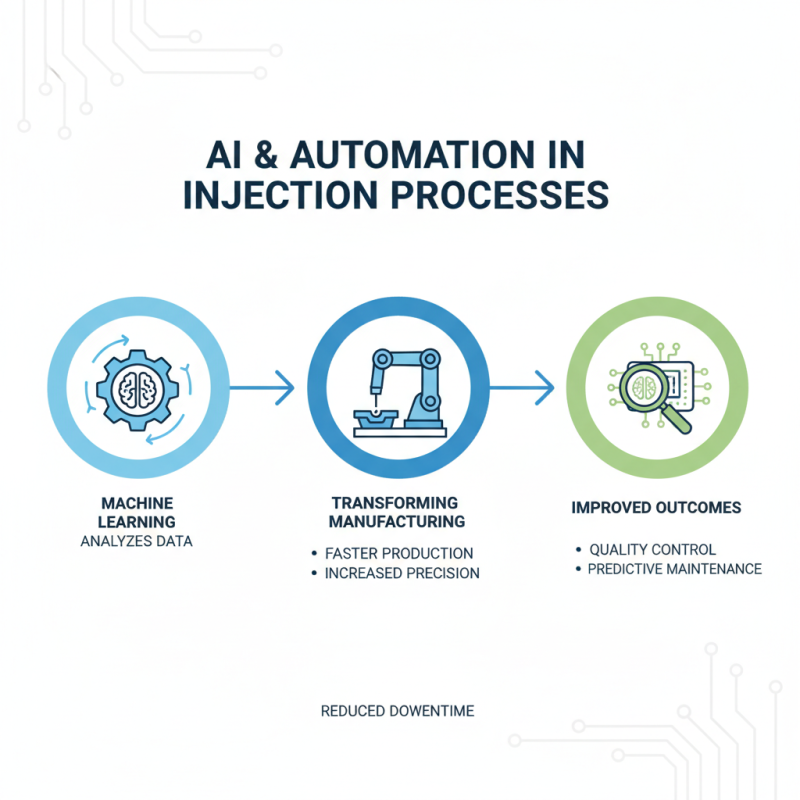
The integration of AI and automation in injection processes is transforming the manufacturing landscape. Companies are narrowing down production times while enhancing precision. Machine learning algorithms analyze vast data sets. This leads to better quality control and predictive maintenance, reducing downtime.
However, this shift isn't without challenges. The implementation of AI requires skilled personnel who understand both technology and traditional processes. Many factories face a skills gap. Training programs are essential to bridge this divide. In addition, ethical considerations arise when machines make decisions. How much trust should we place in AI-driven systems?
Over time, AI will refine injection processes through constant learning. Automation can streamline workflows, but not all tasks can be automated. Human oversight remains crucial. Balancing innovation with adequate supervision is key. As we advance, the future of machine injection technology will likely be a partnership between humans and machines.
Future Challenges and Opportunities in Machine Injection Systems
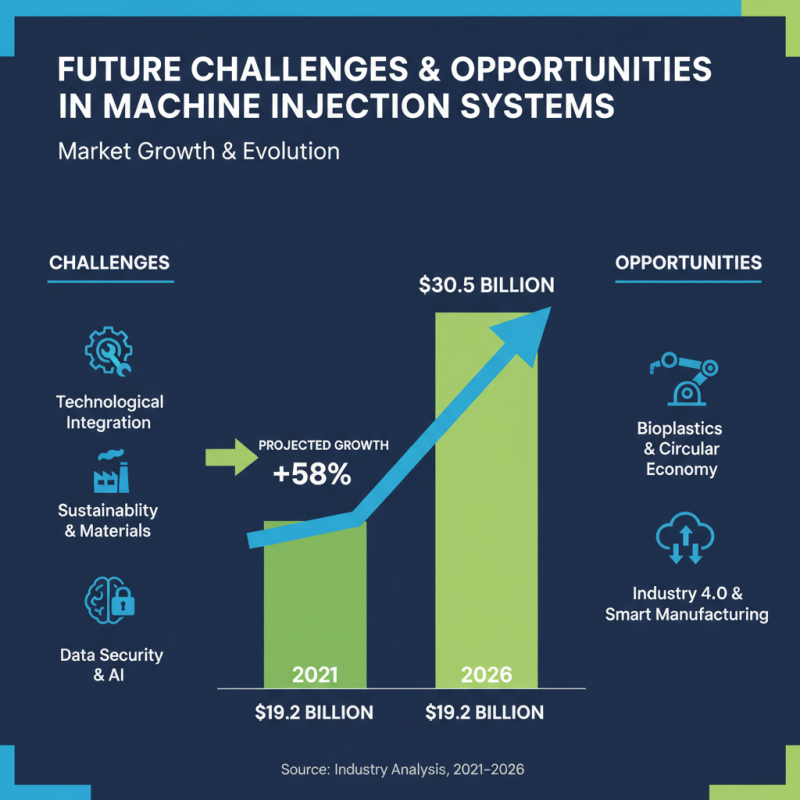
The realm of machine injection technology is witnessing rapid transformation. As we gaze into the future, it's crucial to focus on the challenges and opportunities that lie ahead. According to recent industry analyses, the market for injection molding machines is projected to grow from $19.2 billion in 2021 to approximately $30.5 billion by 2026. This promising forecast underscores the evolving nature of production capabilities.
However, the road is not without obstacles. Sustainability continues to be a critical concern. Manufacturers are under pressure to reduce waste and energy consumption while increasing production efficiency. A report from a leading industry organization highlights that over 60% of companies are investing in eco-friendly technologies. Yet, many still struggle with the initial costs of these innovations.
Tip: Implement lean manufacturing principles to maximize efficiency while minimizing waste.
Moreover, the integration of automation raises questions about workforce dynamics. While automation can enhance precision and speed, it also poses a threat to jobs. Striking a balance between technology and human labor remains a complex challenge. Some companies report difficulties in transitioning their workforce to new roles aligned with advanced technologies.
Tip: Provide training programs to upskill employees and ease transitions.
Ultimately, the landscape for machine injection technology will continue to evolve. The intersection of demand, sustainability, and workforce adaptation offers both challenges and avenues for growth in this dynamic sector.