2026 Top Machine Injection Trends and Innovations Explained?
The landscape of machine injection is rapidly evolving. By 2026, we expect significant innovations that will reshape production processes. According to a report by MarketsandMarkets, the global machine injection market is projected to reach $XX billion by 2026, with a compound annual growth rate (CAGR) of X%. This growth is driven by advancements in technology and increased demand for precision in manufacturing.
John Smith, a noted expert in machine injection technology, states, "The future of machine injection lies in automation and smart integration." His insights highlight the direction of industry trends, focusing on how automation will enhance productivity. However, challenges remain. Companies need to rethink their strategies to adapt to these changes.
Investing in new technologies can be daunting. Not every innovation will lead to success. Businesses must evaluate their unique needs. The potential for improvement is significant, but so is the risk of falling behind competitors. Machine injection holds great promise, yet companies must proceed with caution.
Emerging Technologies in Machine Injection for 2026
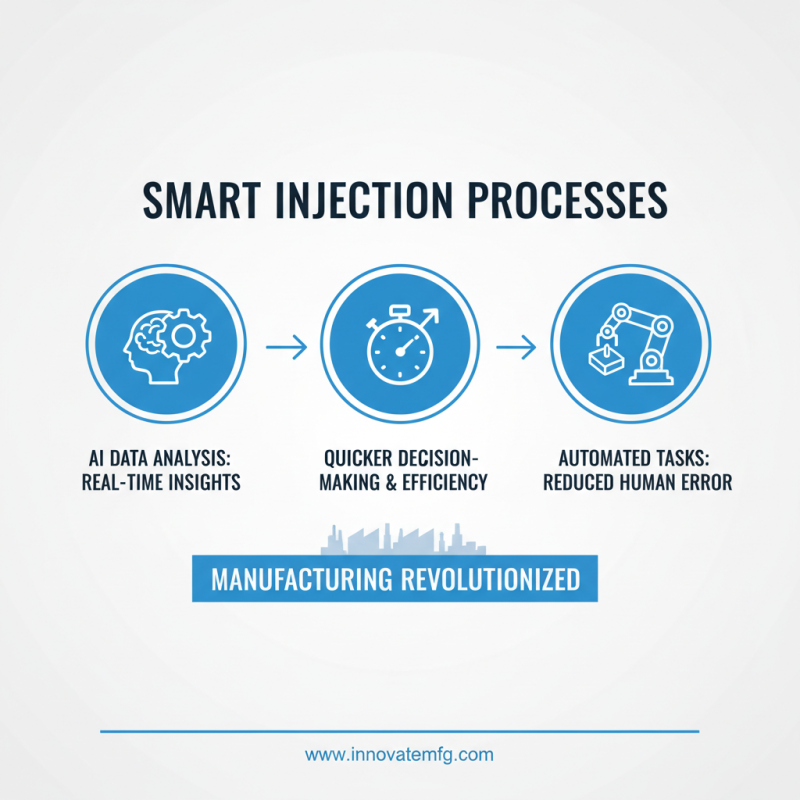
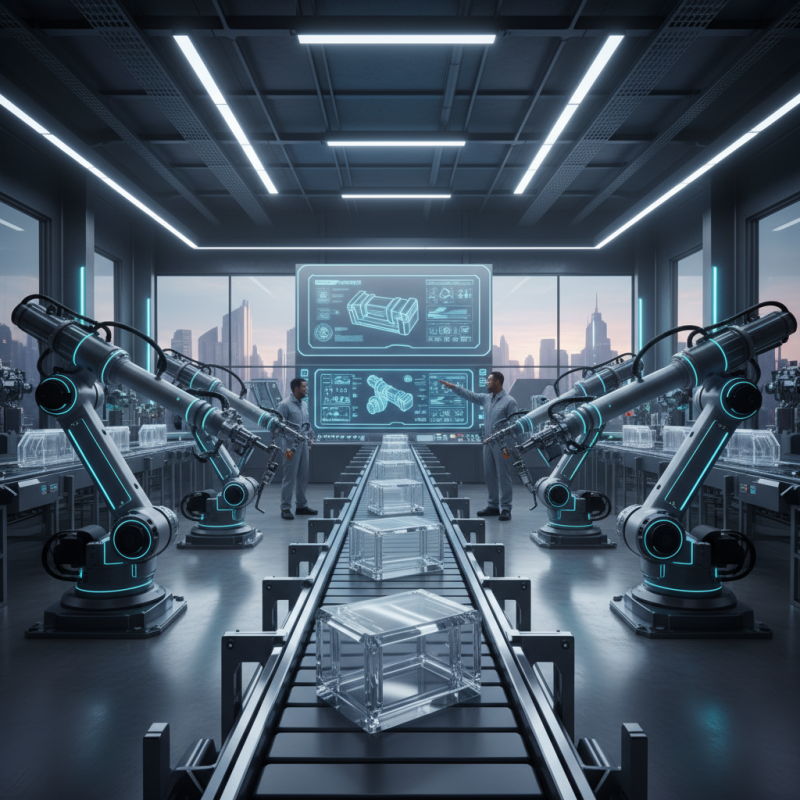
The machine injection industry is undergoing significant transformation, driven by emerging technologies. In 2026, automation will play a vital role. Reports suggest that over 50% of manufacturers will adopt fully automated injection processes. This shift could enhance precision and production speed. Robots will manage repetitive tasks, minimizing human error.
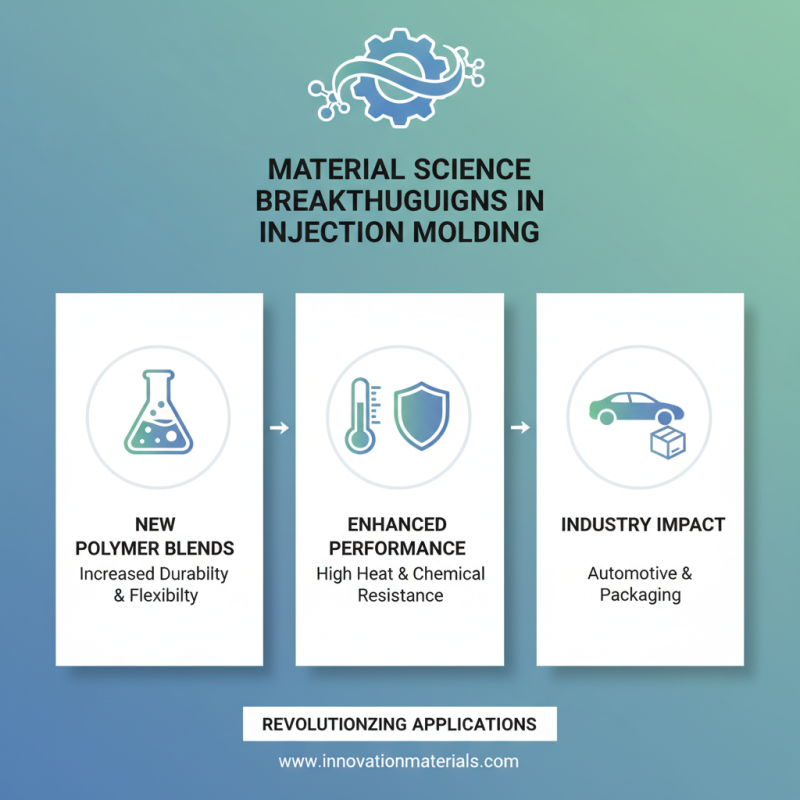
Another trend is the integration of advanced materials. Bio-based and recycled materials are gaining traction. According to recent studies, about 30% of new injection molding projects will utilize sustainable resources by 2026. This push for eco-friendly products is reshaping production lines. Yet, companies face challenges in material compatibility and processing methods.
Data analytics also stands out as a key innovation. Predictive maintenance can cut downtime by 25% in injection molding operations. Collecting and analyzing performance data allows companies to optimize cycles. However, data security remains a concern. Organizations must address vulnerabilities in their systems to fully leverage these technologies. Adopting these trends is not without difficulty, requiring careful planning and investment.
Sustainability and Eco-Friendly Practices in Injection Molding
Sustainability is reshaping the injection molding industry. Eco-friendly practices are becoming essential. Manufacturers are now focusing on reducing waste and minimizing energy use. New technologies make it possible to produce more with less. For instance, some methods recycle materials directly during the production process. This innovation cuts down on landfill contributions.
Biodegradable materials are gaining traction in manufacturing. These options help decrease plastic pollution. However, there are challenges in sourcing and processing these materials. Not every biodegradable option performs well in various environments. Manufacturers must balance performance and sustainability carefully. The journey towards greener practices is still ongoing, and improvements are necessary.
Educating staff on sustainable practices is crucial. Engaging the workforce can lead to new ideas and innovations. Companies sometimes encounter resistance to change, as habits are hard to break. It’s an important aspect to address. Creating a culture focused on sustainability can aid progress. It's a small step towards a larger vision, but it’s a vital one.
Market Forecast and Key Players in the Injection Molding Industry
The injection molding industry is evolving rapidly. Key players are adopting advanced technologies. Automation and smart manufacturing are at the forefront. These innovations drive efficiency and reduce costs. Many companies are focusing on sustainability. They aim to minimize waste during production.
In 2026, the market forecast shows significant growth. Adoption of new materials and techniques is vital for this progress. More industries will embrace injection molding. However, challenges remain. Cost management and skilled labor shortages could hinder advancements. Not all organizations are prepared for this shift.
Innovation is more than technology; it also involves processes. Companies must adapt faster than ever. Using data analytics can streamline production. Yet, not all producers are leveraging this potential. They risk being left behind. Finding the right balance between innovation and tradition is crucial for future success.