2026 How to Create an Efficient Injection Molding Mold Design?
The demand for efficient injection molding mold design is growing rapidly. According to a report by Mordor Intelligence, the global injection molding market is projected to reach $350 billion by 2026. This growth emphasizes the need for optimized mold designs that increase production efficiency and reduce costs.
An effective injection molding mold can significantly impact the overall manufacturing process. Poorly designed molds may lead to increased cycle times and higher defect rates. Industry experts suggest that well-planned molds can improve production efficiency by up to 30%. However, many professionals overlook critical design elements, leading to common pitfalls. These include inadequate ventilation and insufficient cooling systems, which can hinder performance.
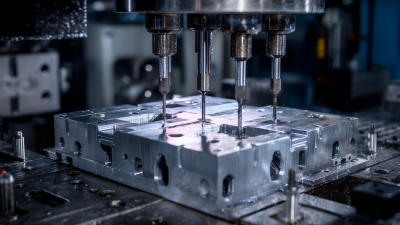
In creating a successful injection molding mold, attention to detail is crucial. Designers must consider material selection, mold geometry, and cooling channels. Failing to address these factors can result in costly rework and delays. A comprehensive understanding of these elements allows manufacturers to produce high-quality components efficiently.

Understanding the Fundamentals of Injection Molding Mold Design
Understanding the fundamentals of injection molding mold design is essential for producing high-quality components. According to industry reports, up to 70% of manufacturing defects can be traced back to poor mold design. A well-designed mold enhances efficiency and reduces costs significantly. Each mold should consider material flow, cooling, and ejection mechanisms to optimize performance.
One critical factor is the geometry of the mold. Complex shapes may lead to uneven cooling and defects. Simplifying designs can often lead to better mold performance. A recent survey revealed that companies emphasizing mold geometry saw a 30% increase in production efficiency.
Tips: Regularly analyze your mold designs. Monitoring thermal cycles can prevent issues. Seek feedback from mold makers for insights. Collaboration with experienced professionals can clarify complex design choices. Adjusting designs based on production results is vital. Embrace iterative improvements for long-term success.
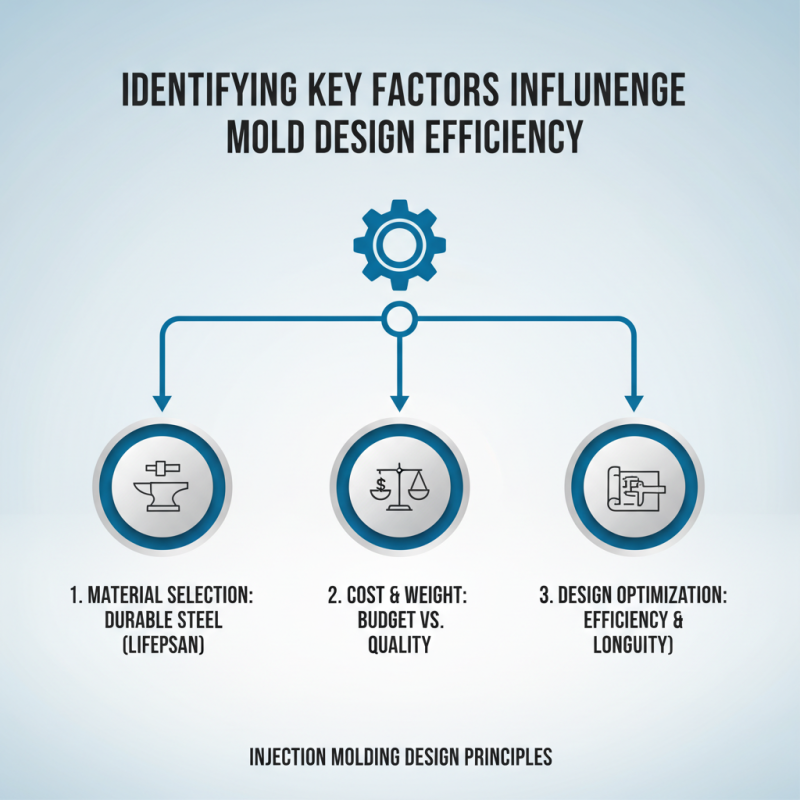
Creating an efficient mold involves balancing multiple elements. Think carefully about the materials used. Some choices may lead to unexpected challenges. A solid understanding of materials impacts final product quality. Addressing potential issues early can save time and resources.
Injection Molding Mold Design Efficiency Metrics
Step-by-Step Process for Designing an Injection Molding Mold
Designing an efficient injection molding mold requires a well-structured approach. Start by defining the part’s specifications. This includes dimensions, material type, and surface finish. These details guide the mold design process. A clear understanding of the end product saves time and reduces waste.
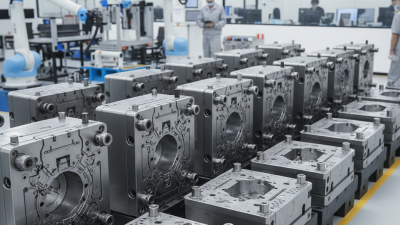
Next, consider the mold layout. This involves the arrangement of the cavities. A balanced layout ensures even material flow. It minimizes defects and enhances quality. Keep in mind that complexities in design may lead to higher costs and longer production times. It’s crucial to find a balance between innovation and practicality.
Collaboration among engineers, designers, and manufacturers is vital. Their input can reveal potential shortcomings early in the design phase. Testing prototypes is essential too. This helps identify weak points. Reflecting on feedback can lead to valuable adjustments. Adaptability in the design process is key for effective outcomes. A successful mold design balances precision with flexibility, allowing for future improvements.
Best Practices for Material Selection in Mold Design
In mold design, selecting the right material is critical. A report by the American Society for Testing and Materials (ASTM) highlights that 70% of project success relies on material choice. In injection molding, materials impact production efficiency, cost-effectiveness, and the final product’s durability.
One key factor to consider is the thermal properties of the material. High thermal conductivity can reduce cycle time. However, some materials may warp under extreme heat. Notably, thermoplastics like polycarbonate are favored for their strength-to-weight ratio. A study revealed that they can improve product lifespan by up to 30%.
Yet, one must also be cautious about the environmental impact. Sustainable material options are increasingly popular. However, they can be pricier and pose design limitations. For instance, bio-based plastics may offer eco-friendly benefits but might not provide the same performance under stress. Balancing functionality with sustainability remains a challenge for designers.
Evaluating and Testing Mold Design for Performance and Durability
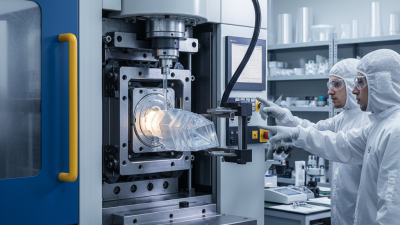
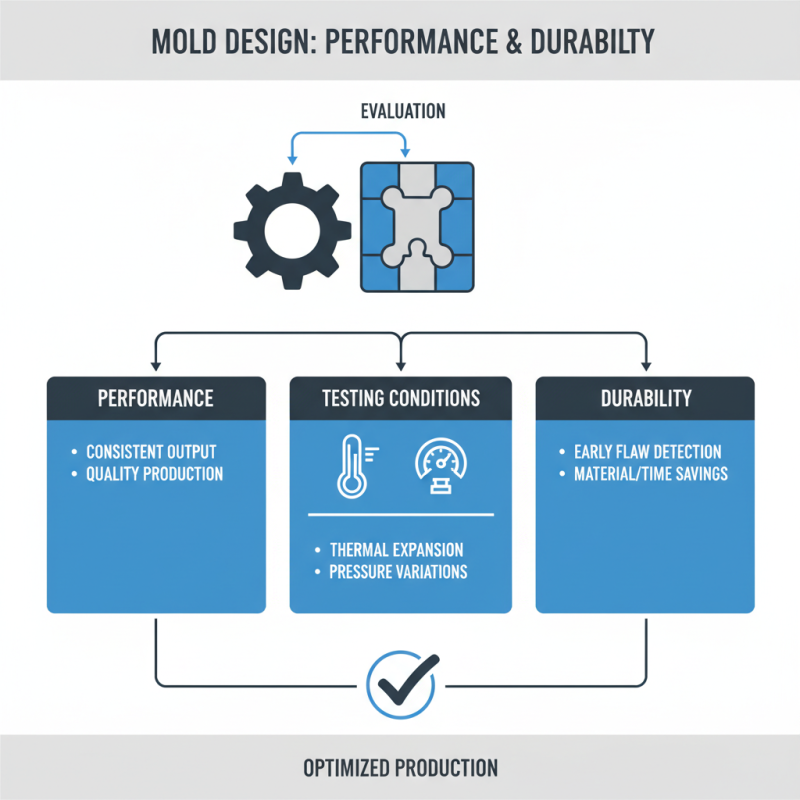
When evaluating mold design, performance is critical. A well-designed mold ensures consistent production output and quality. Testing the mold in various conditions helps reveal potential flaws. For instance, thermal expansion during injection can lead to issues. Identifying these problems early can save time and materials.
Durability is another key aspect. A mold should endure repeated cycles without significant wear. Using robust materials can enhance longevity. However, it's also important to test with real-world scenarios in mind. Unexpected stresses can arise during operation. Each test offers insights but also highlights limitations in the design.
Incorporating feedback from practical testing is essential. Continuous improvement is a part of the process. Sometimes, obvious flaws are overlooked in the initial design phase. A comprehensive evaluation can unveil these blind spots, leading to a more efficient and reliable mold. Embracing imperfections in the design can foster innovation and better solutions.