Blog

Why Low Pressure Injection Molding is the Future of Efficient Manufacturing

Why Low Pressure Injection Molding is the Future of Efficient Manufacturing

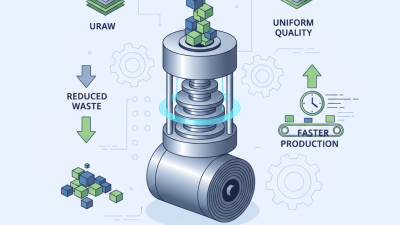
In the ever-evolving landscape of manufacturing, one technique stands out as a beacon of efficiency and sustainability: low pressure injection molding. According to industry expert Dr. Emily Richter, a leading voice in advanced manufacturing technologies, "Low pressure injection molding not only minimizes material waste but also optimizes energy consumption, making it a game-changer for the industry." This innovative approach offers a compelling alternative to traditional molding methods, addressing the growing demand for environmentally responsible manufacturing practices. As manufacturers grapple with rising production costs and ecological pressures, low pressure injection molding emerges as a viable solution that balances economic feasibility with environmental stewardship. By utilizing lower pressures during the injection process, this method reduces the energy required for production, while also allowing for the use of lighter and more intricate materials. The implications are profound; businesses can produce high-quality products with enhanced precision and reduced waste, positioning themselves for a competitive edge in the marketplace. In this article, we will delve into the transformative potential of low pressure injection molding, exploring its benefits, applications, and reasons why it represents the future of efficient manufacturing. By examining key case studies and insights from experts like Dr. Richter, we aim to illuminate how this technique can revolutionize production processes across various industries, paving the way for a more sustainable and efficient manufacturing future.
Read more »
Ethan By:Ethan - November 29, 2025
Understanding Molding Pressure: A 2025 Guide to Optimal Manufacturing Techniques

Understanding Molding Pressure: A 2025 Guide to Optimal Manufacturing Techniques

In the rapidly evolving landscape of manufacturing, understanding the nuances of molding pressure has become a pivotal factor for achieving optimal production outcomes. As noted by industry expert Dr. Elizabeth Harmon, "The careful management of molding pressure can significantly enhance product quality and reduce cost in the manufacturing process." With an eye toward 2025, manufacturers are increasingly focusing on refining their techniques to harness the full potential of molding pressure, ensuring both efficiency and precision. Molding pressure plays a crucial role in determining the final properties of molded parts, making it essential for engineers and manufacturers alike to delve into its intricacies. This guide aims to illuminate the crucial aspects of molding pressure, offering insights into best practices and innovative techniques that can redefine manufacturing standards. By embracing these strategies, businesses can not only improve their operational efficiency but also enhance product performance in a competitive market. As we explore the realm of molding pressure in this comprehensive guide, we will uncover various methodologies that can be employed to optimize pressure settings, leading to sustainability and cost-effectiveness in production. Understanding molding pressure is not just about technical knowledge—it's about embracing a holistic approach to manufacturing that prioritizes quality and adaptability in an ever-changing industry.
Read more »
Olivia By:Olivia - November 28, 2025
How to Choose Injection Molding Equipment: A Comprehensive Guide for Manufacturers

How to Choose Injection Molding Equipment: A Comprehensive Guide for Manufacturers

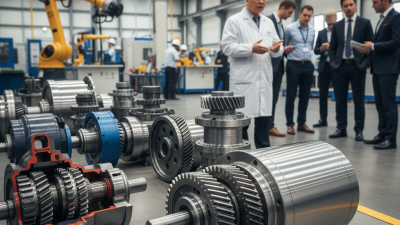
In the rapidly evolving landscape of manufacturing, the selection of appropriate injection molding equipment is a critical decision that can significantly impact production efficiency, product quality, and overall profitability. As reported by the Plastics Industry Association, the U.S. plastics industry alone contributes over $380 billion to the nation's GDP, emphasizing the importance of optimizing manufacturing processes. With the global injection molding market projected to reach $16.2 billion by 2026, manufacturers face increasing pressure to enhance their operational capabilities while minimizing costs. Choosing the right injection molding equipment involves a comprehensive evaluation of various factors, including machine type, size, and technological advancements. According to research conducted by MarketsandMarkets, the injection molding machine market is expected to grow at a CAGR of 4.3% between 2021 and 2026, driven by the demand for lightweight and durable components across industries such as automotive, healthcare, and consumer goods. Manufacturers must stay informed about the latest innovations, such as hybrid and electric molding machines, which offer greater energy efficiency and precision compared to traditional hydraulic models. Evaluating these options requires a thorough understanding of specific manufacturing needs and the capabilities of modern injection molding equipment. By leveraging industry insights and market data, manufacturers can make informed decisions that not only meet production demands but also align with long-term sustainability goals and competitive strategies.
Read more »
Olivia By:Olivia - November 23, 2025
10 Low Pressure Injection Molding Tips to Enhance Efficiency and Reduce Costs in Your Production Process

10 Low Pressure Injection Molding Tips to Enhance Efficiency and Reduce Costs in Your Production Process

In the ever-evolving landscape of manufacturing, optimizing production processes while managing costs is essential for maintaining a competitive edge. One effective approach that has gained traction in recent years is low pressure injection molding. This technique has been reported to significantly enhance efficiency and reduce material waste, making it a viable option for various industries, from automotive to consumer goods. According to a recent market analysis by Smithers Pira, low pressure injection molding can lower energy consumption by up to 30% compared to traditional high-pressure methods, resulting in both economic and environmental benefits. As the demand for precision components continues to rise, manufacturers are increasingly turning to low pressure injection molding to meet these needs without compromising quality. This process not only minimizes the risk of defects and enhances the integrity of the finished product but also enables greater flexibility in design and material choices. The adoption of low pressure injection molding is anticipated to reach a compound annual growth rate (CAGR) of 5.4% through 2027, as reported by Research and Markets, highlighting its importance in the production strategies of forward-thinking enterprises. By leveraging these ten expert tips, manufacturers can streamline their operations, improve output quality, and ultimately contribute to a more sustainable production environment.
Read more »
Ethan By:Ethan - November 21, 2025